
Seasonal Tax Tips: Preparing for the Upcoming Tax Season


Understanding the Importance of Early Preparation
The tax season might feel like a distant concern, but starting early can save you from last-minute stress. By organizing your documents and understanding your financial situation, you can ensure a smoother filing process. Early preparation also allows you to take advantage of potential deductions and credits.
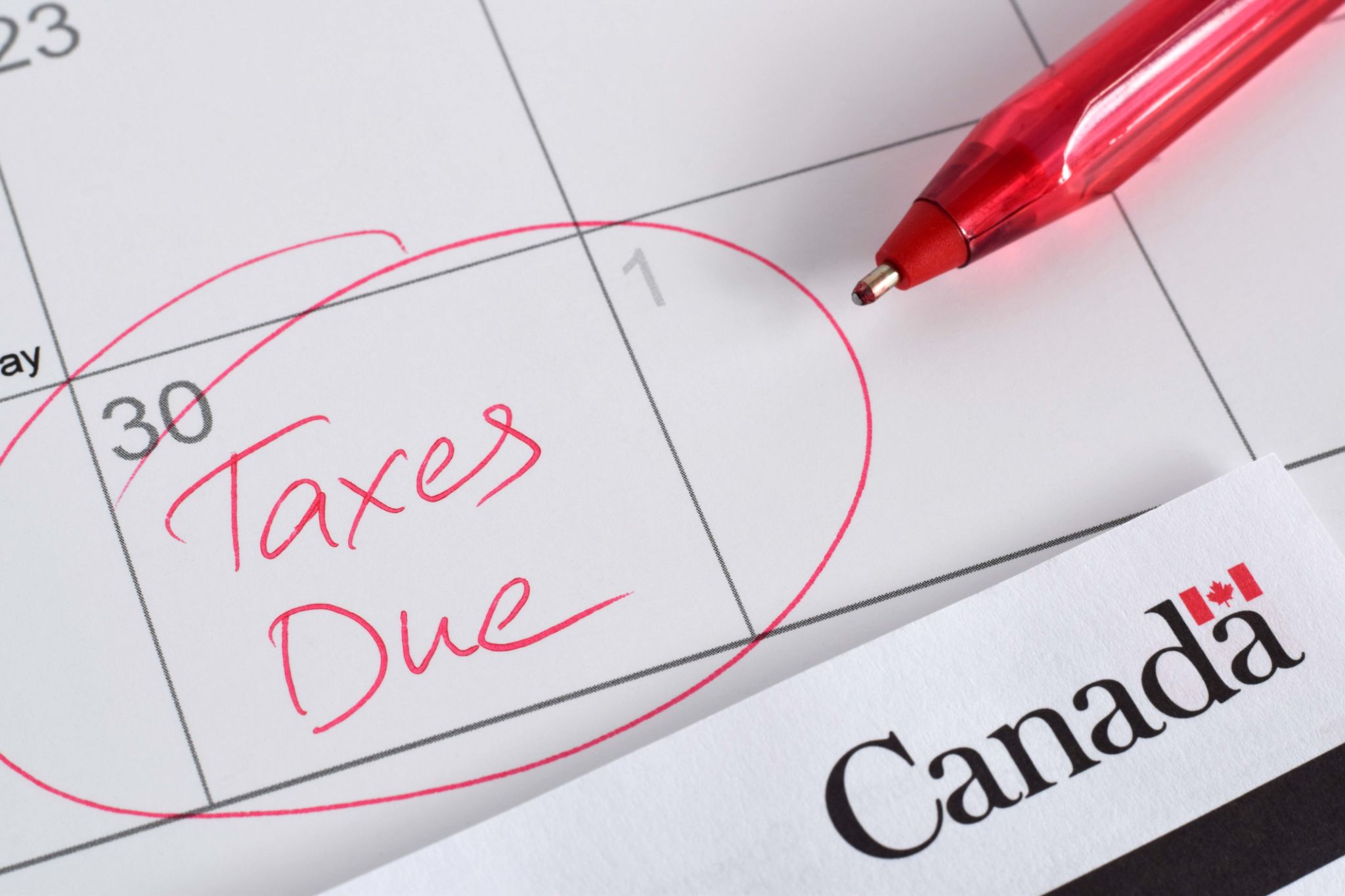
Gathering your financial records ahead of time helps you avoid any surprises. Make a checklist of essential documents, such as W-2s, 1099s, and receipts for deductible expenses. Keep these organized to streamline the filing process when the time comes.
Maximizing Deductions and Credits
One of the keys to reducing your taxable income is understanding the deductions and credits available to you. Common deductions include mortgage interest, state taxes, and charitable contributions. Some credits, like the Earned Income Tax Credit, can significantly impact your tax return.
Consulting with a tax professional can help you identify opportunities specific to your situation. They can provide insights into lesser-known deductions and ensure you're compliant with current tax laws.

Utilizing Tax Software
Tax software can be a valuable tool for ensuring accuracy and efficiency. Many platforms offer step-by-step guidance and error-checking features. These tools can help you navigate complex tax scenarios with ease.
Choose software that fits your needs, whether you have simple returns or complex investments. Some programs even offer free filing options for basic returns.
Preparing for Changes in Tax Laws
Tax laws can change yearly, affecting how you file your return. Staying informed about these changes is crucial. Subscribe to tax newsletters or follow reliable financial news sources to keep updated on new regulations.

Adjust your tax strategy as needed to align with new laws. This might include altering your withholding or adjusting your estimated tax payments.
Planning for Self-Employed Individuals
If you’re self-employed, tax preparation requires additional attention. Keep meticulous records of your income and expenses. Consider quarterly estimated tax payments to avoid penalties.
Explore available deductions specific to your business, such as home office expenses and business-related travel. These can significantly reduce your taxable income.
Conclusion
Preparing for the upcoming tax season involves strategic planning and organization. By taking proactive steps, you can reduce stress, maximize your return, and ensure compliance with tax laws. Whether you choose to handle your taxes independently or with professional help, early preparation is key to a successful tax season.